From field to plate: new paths for farming, food and hospitality
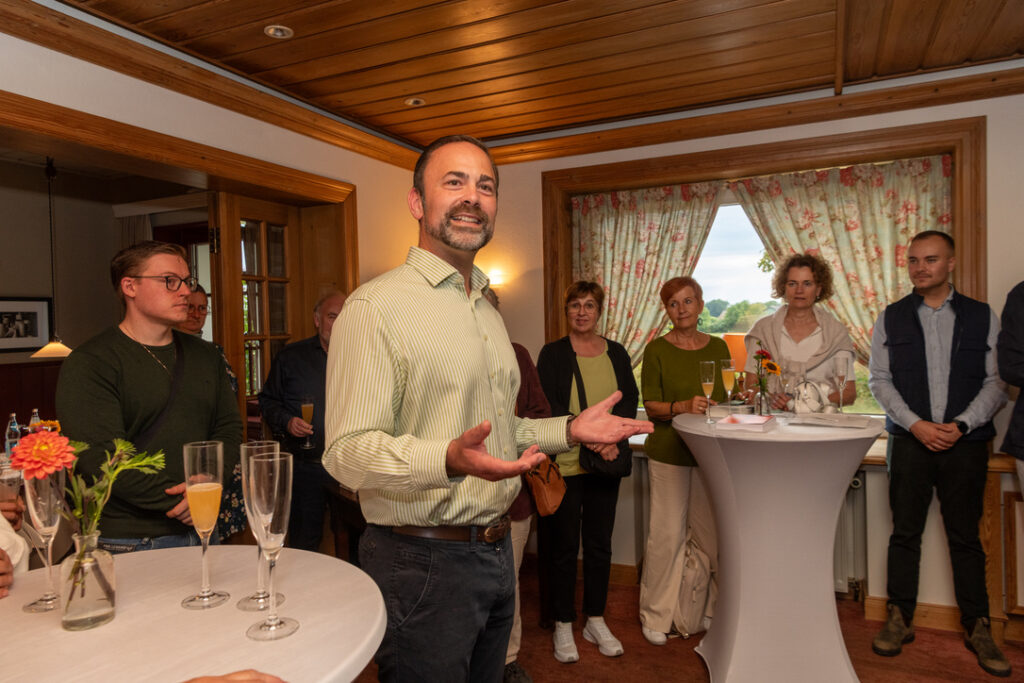
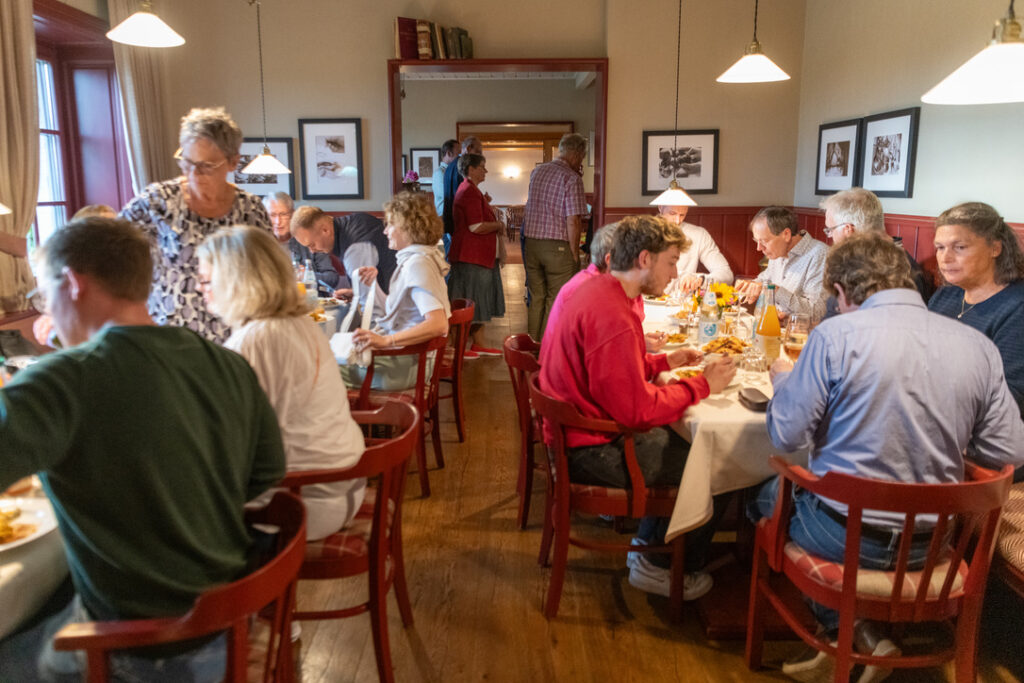
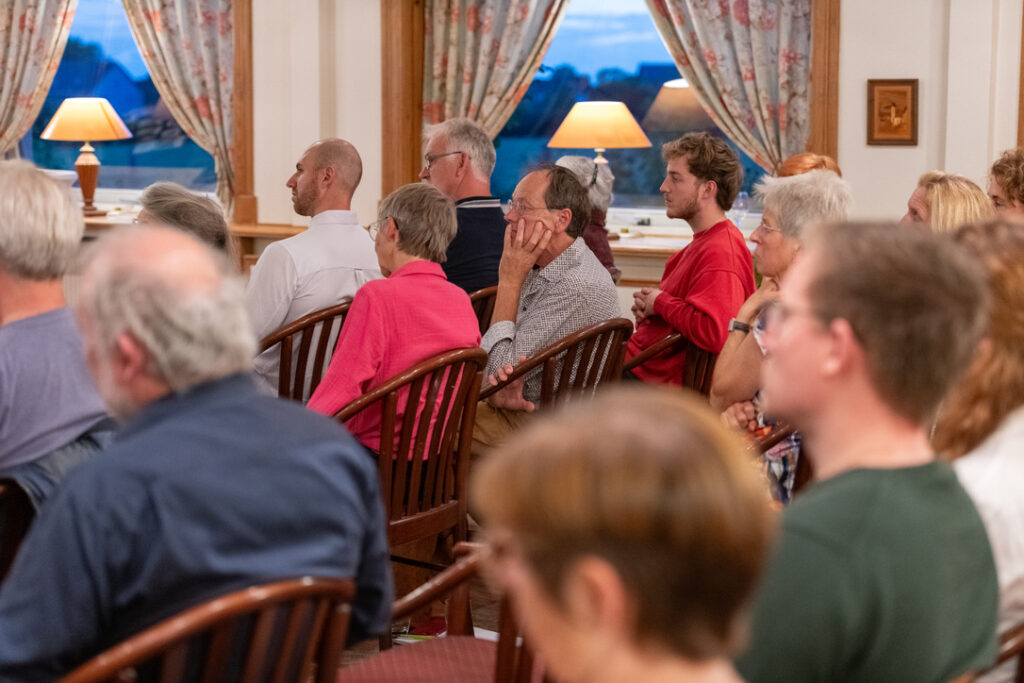
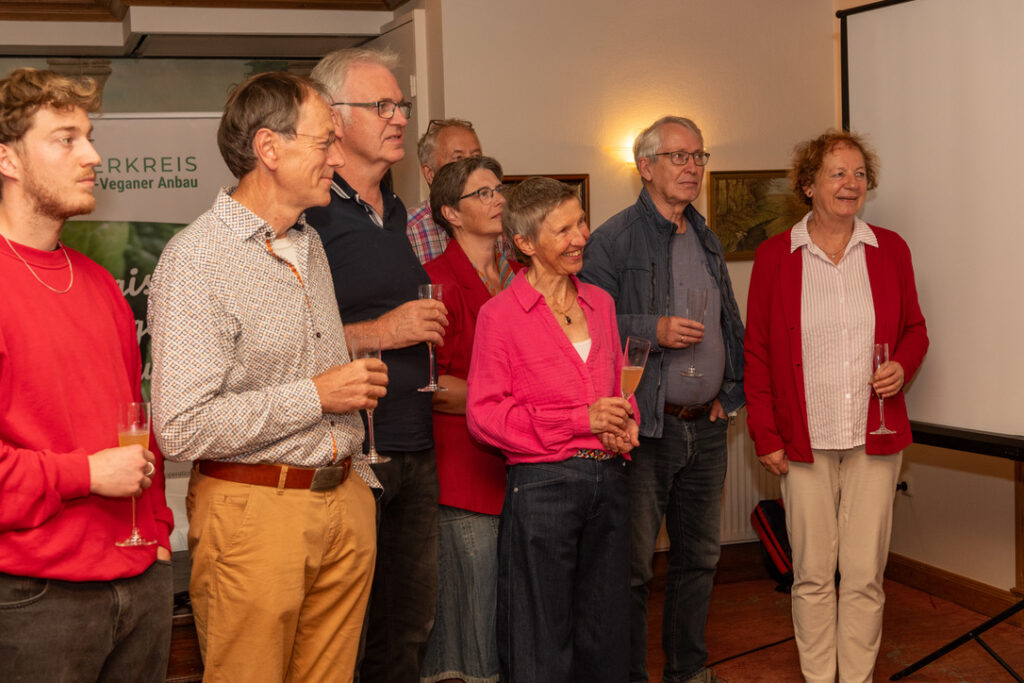
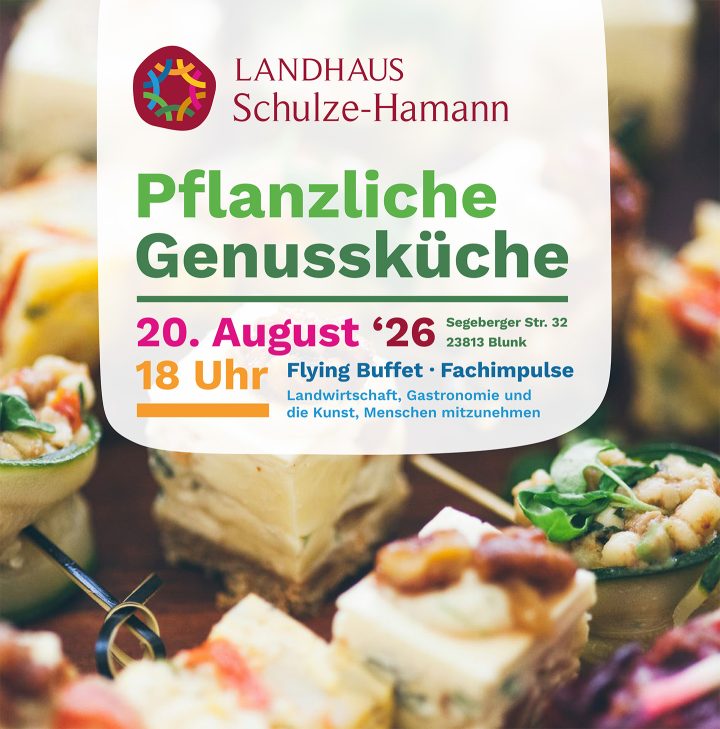
On 20 August, Landhaus Schulze-Hamann in Blunk, Schleswig-Holstein, hosted an evening exploring the future of sustainable food. The event brought together guests from farming, hospitality and the food industry, alongside people who have long valued the Landhaus as a place for meeting, inspiration and new culinary ideas. Together, they explored and discussed what a sustainable food future could look like – and, above all, taste like.
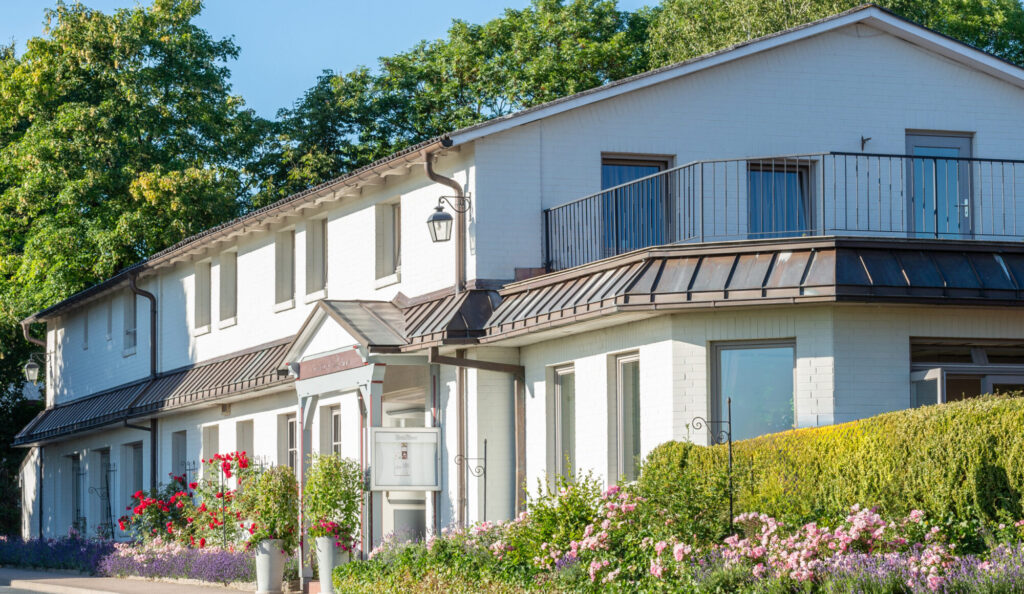
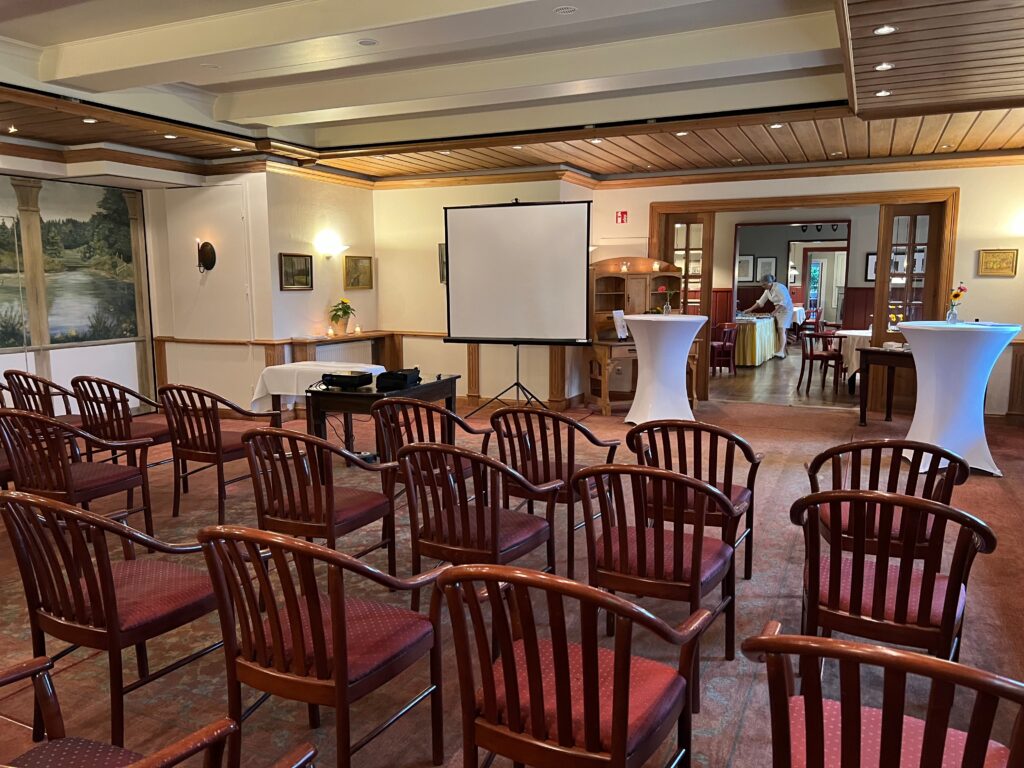
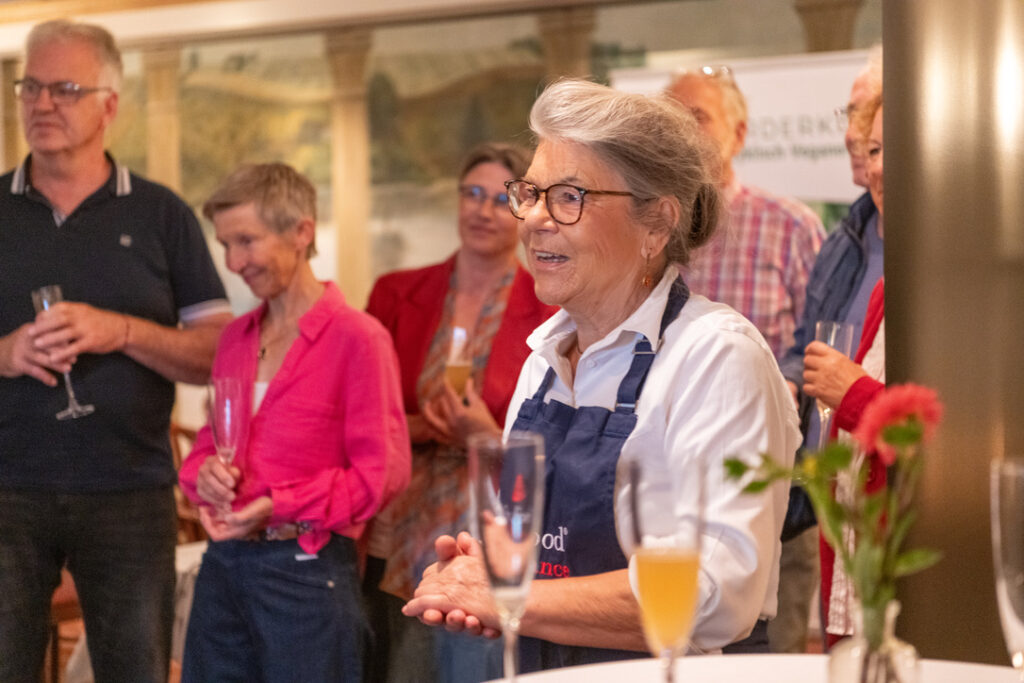
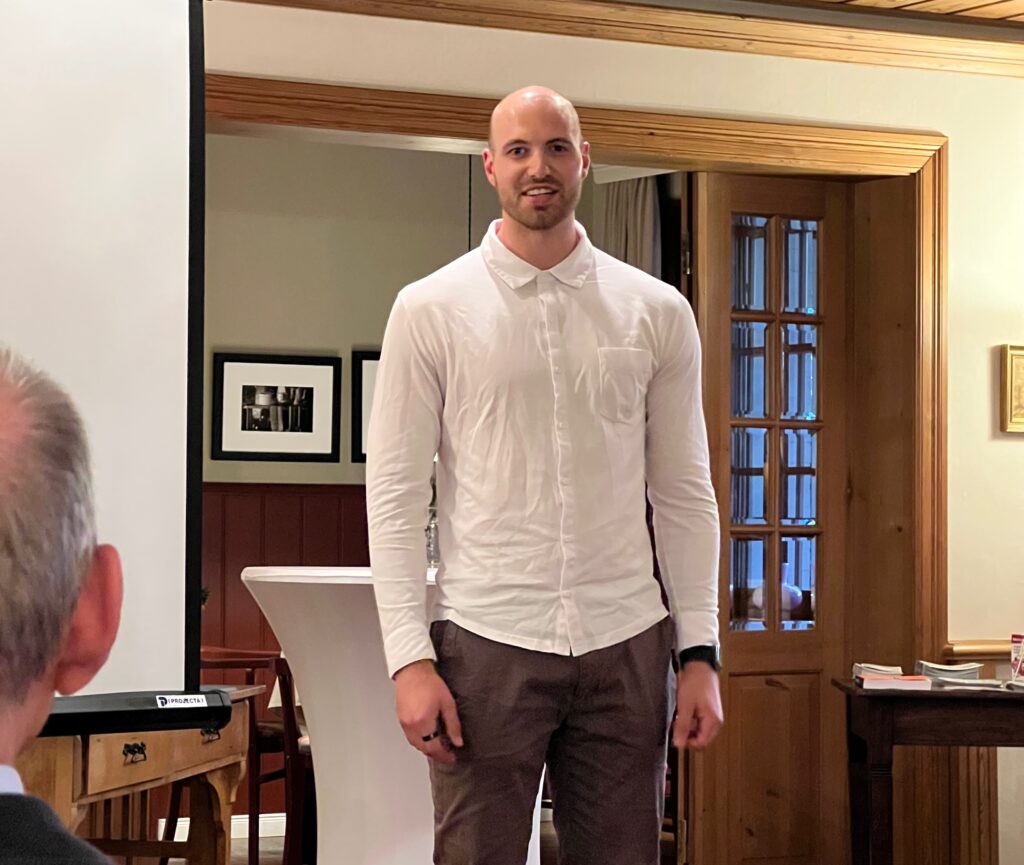
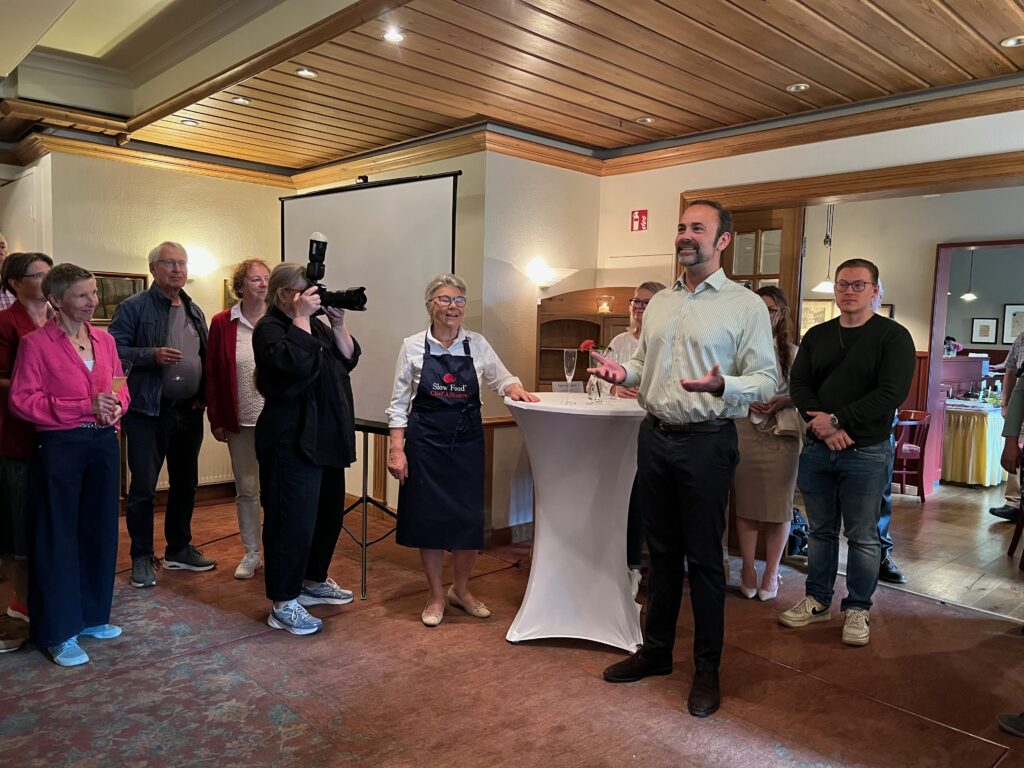
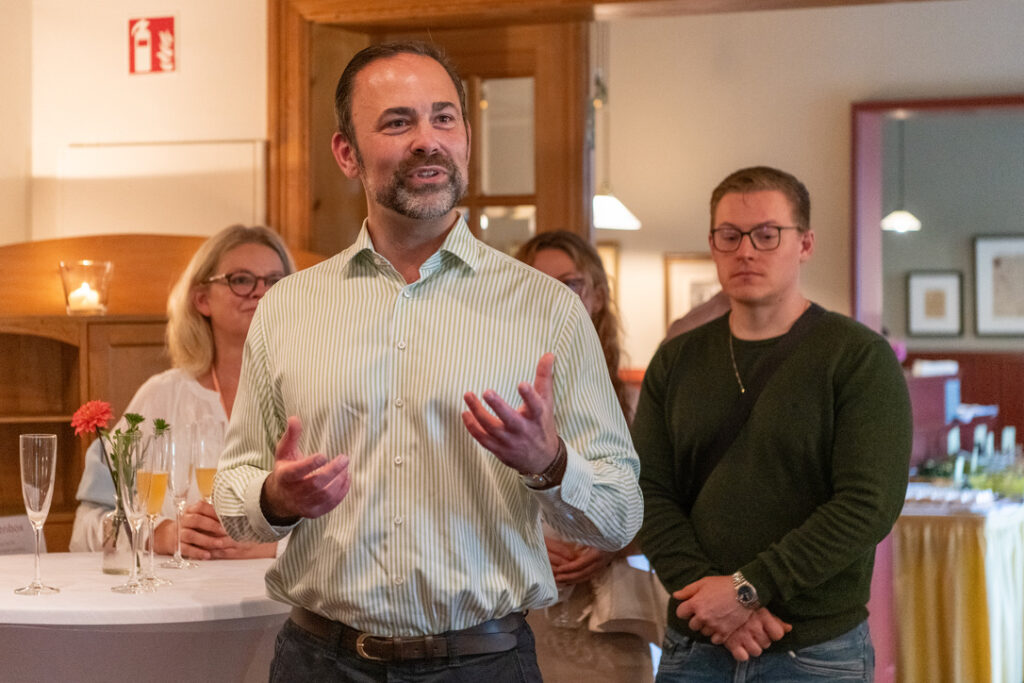
The venue itself tells a story of transformation. In his welcome, Frederik Schulze-Hamann traced its development from a farm to a country inn and, ultimately, to today’s Landhaus: a place for exploring new approaches to food and culinary enjoyment. The setting was particularly symbolic: the event took place in the former cowshed. Where animals were once kept, guests now discussed the future of plant-based food and farming.
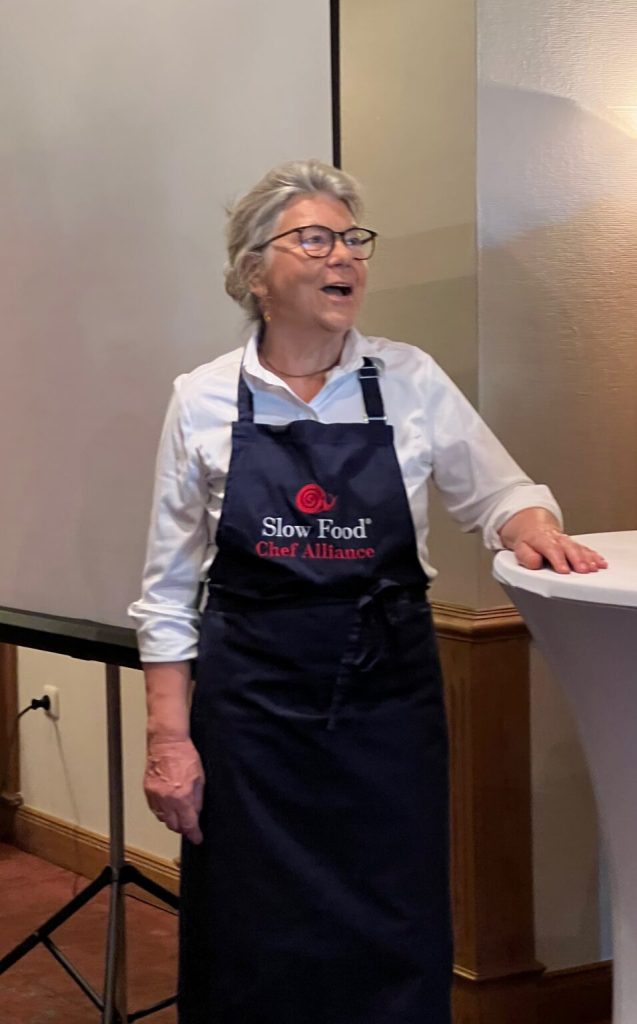
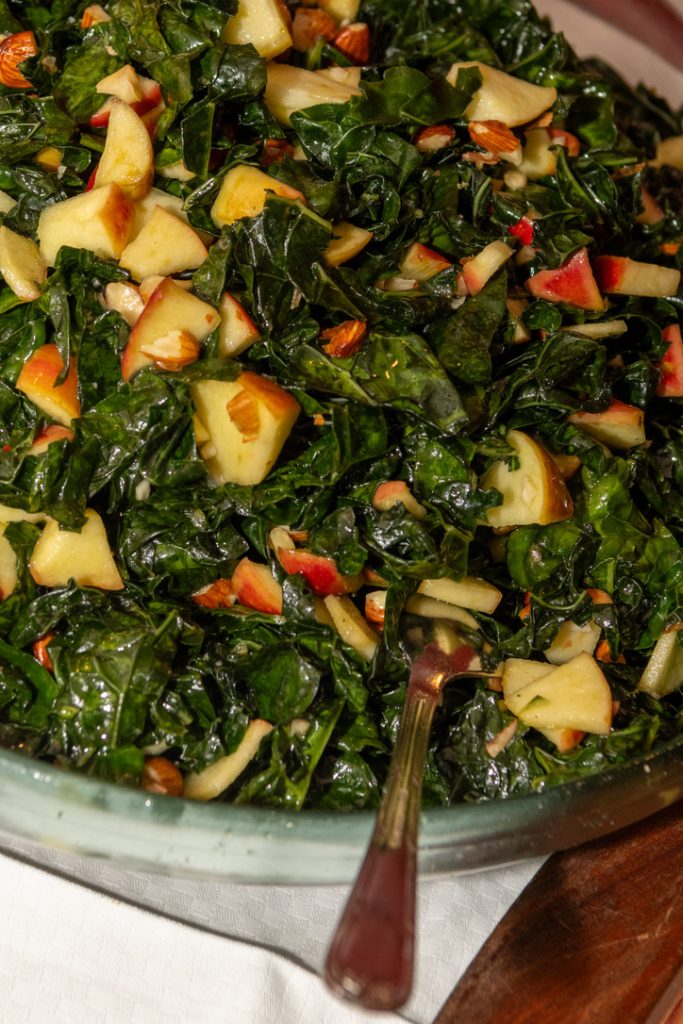
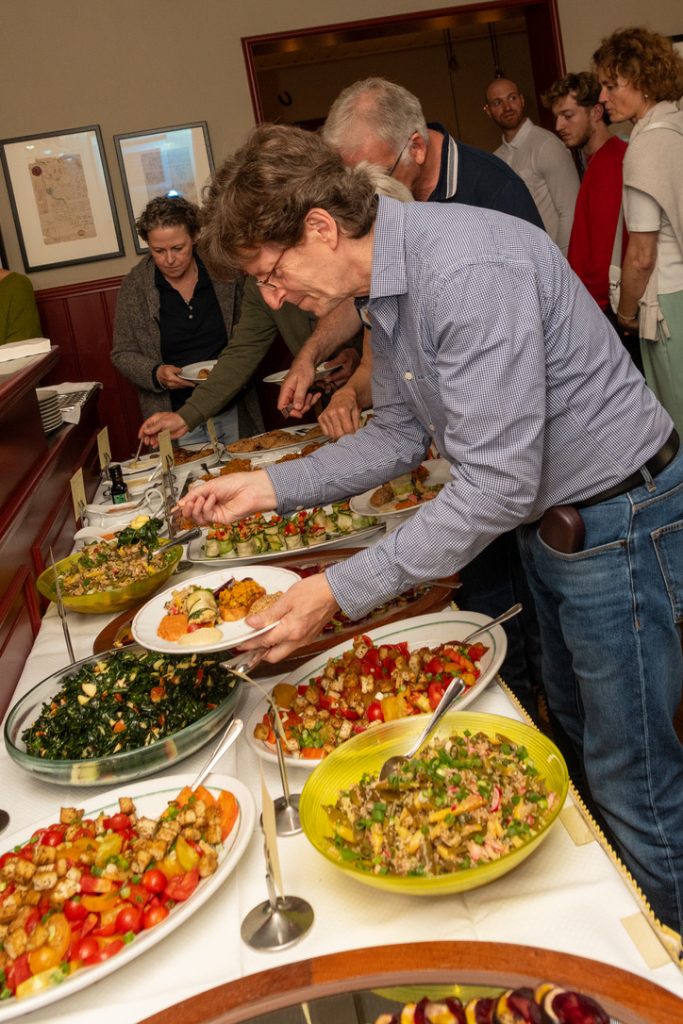
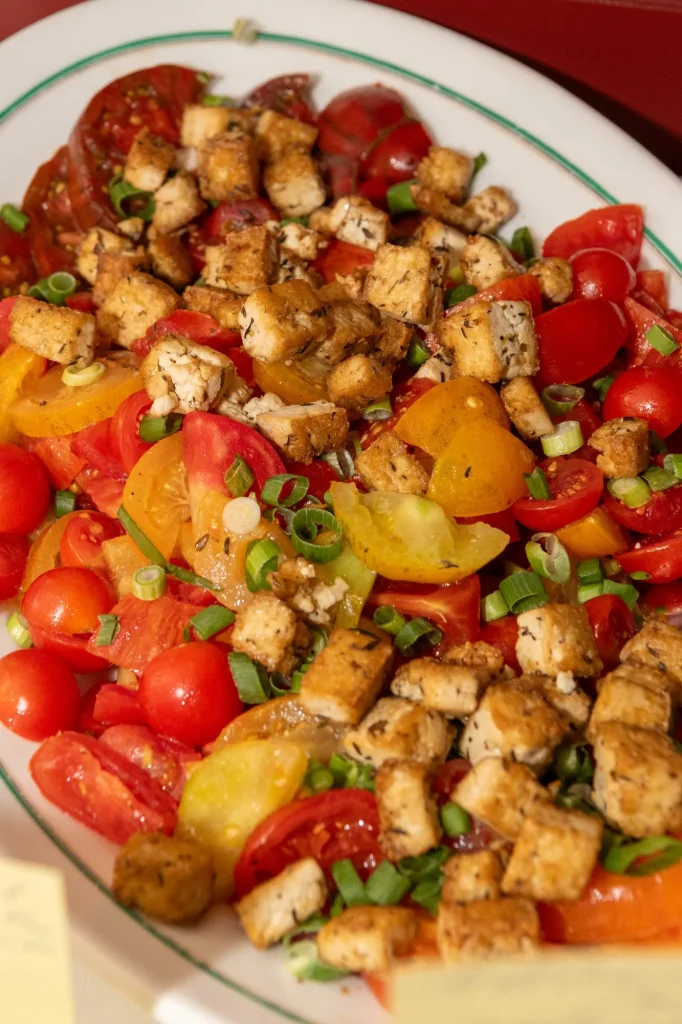
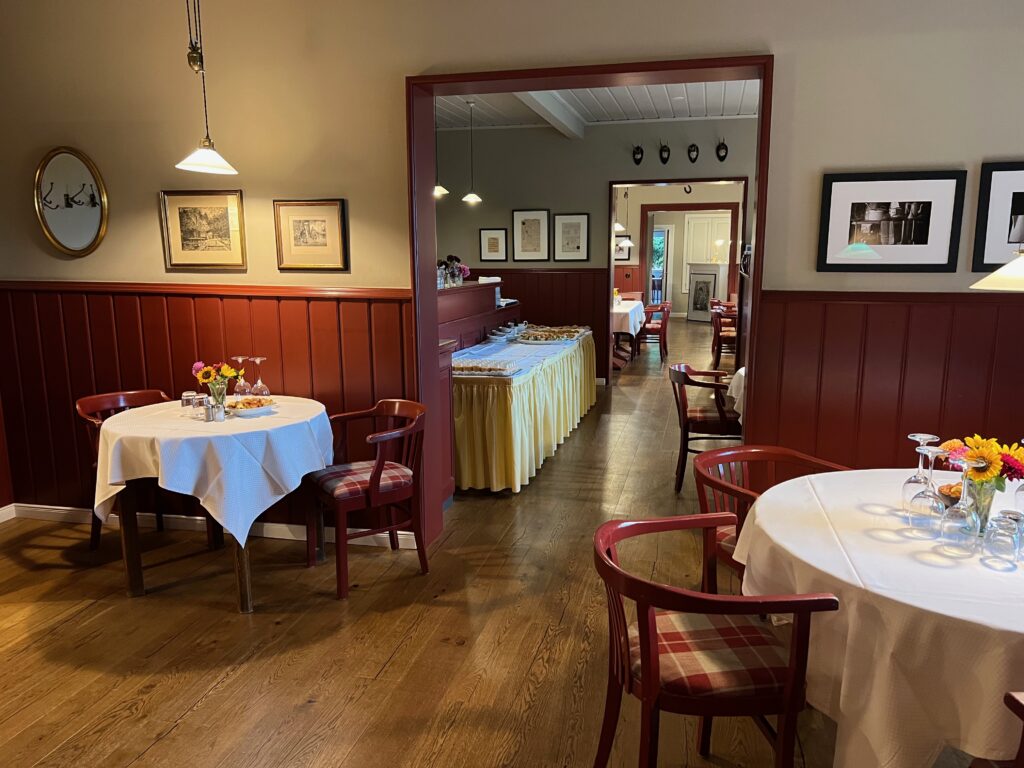
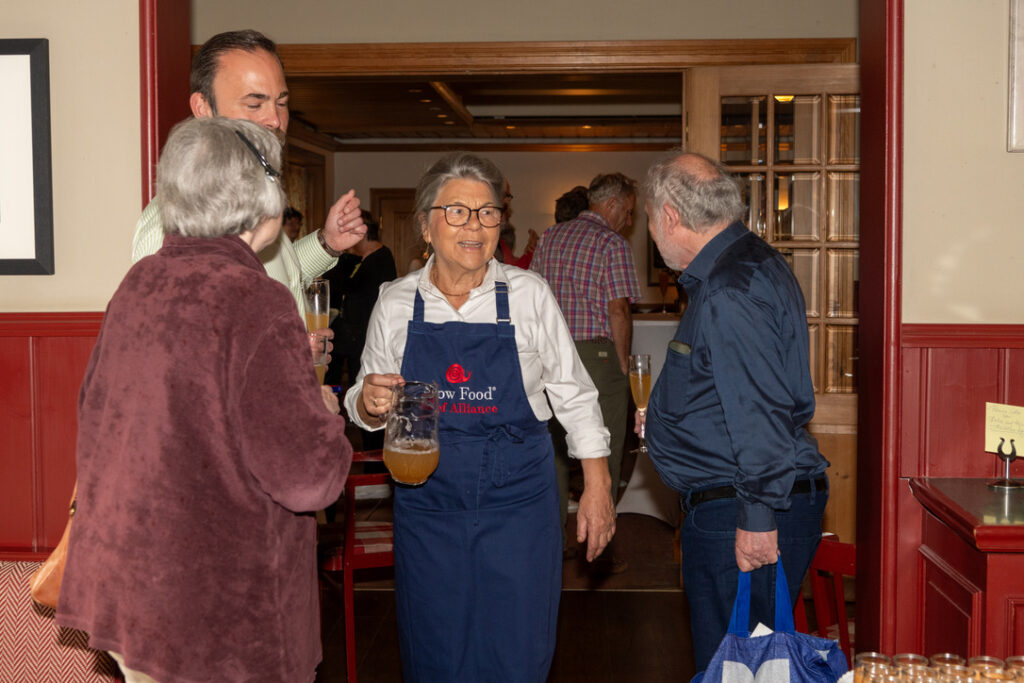
Angela Schulze-Hamann demonstrated just how delicious this future could be with a varied plant-based buffet. Fresh, regional ingredients – including vegetables from the biocyclic vegan farm Möllers Morgen – were transformed into carefully balanced dishes that showcased the rich flavours of high-quality plant-based food. Biocyclic vegan drinks complemented the culinary experience: apple juice from the Lake Constance region and Greek wine from Sellas Winery near Corinth.
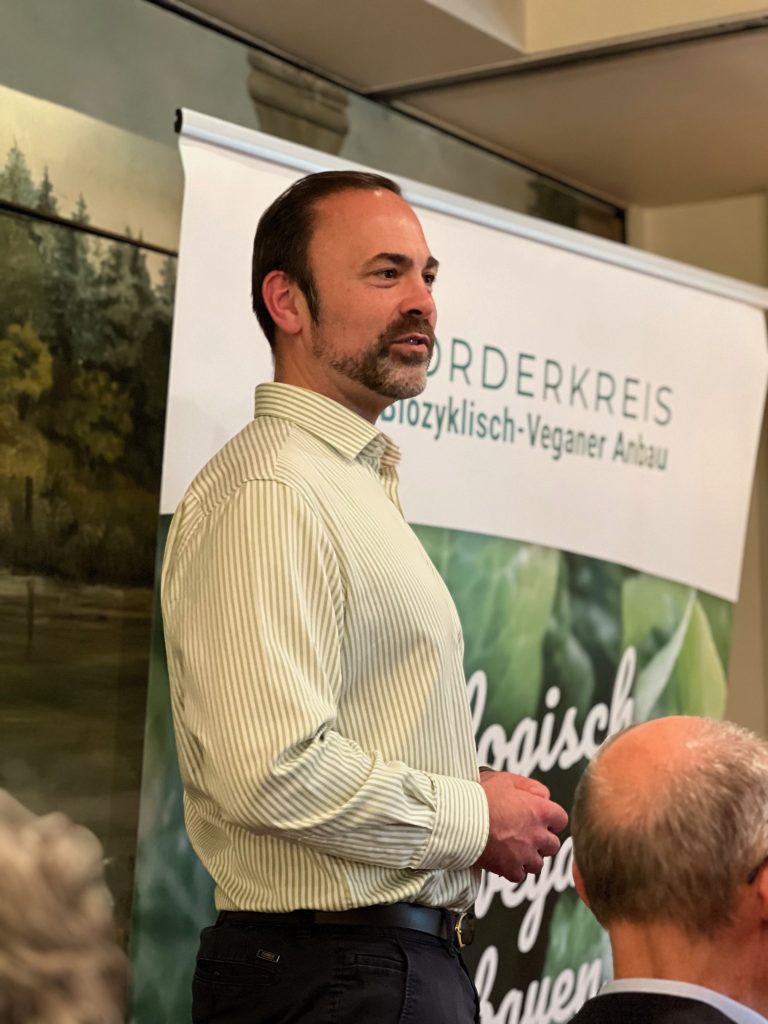
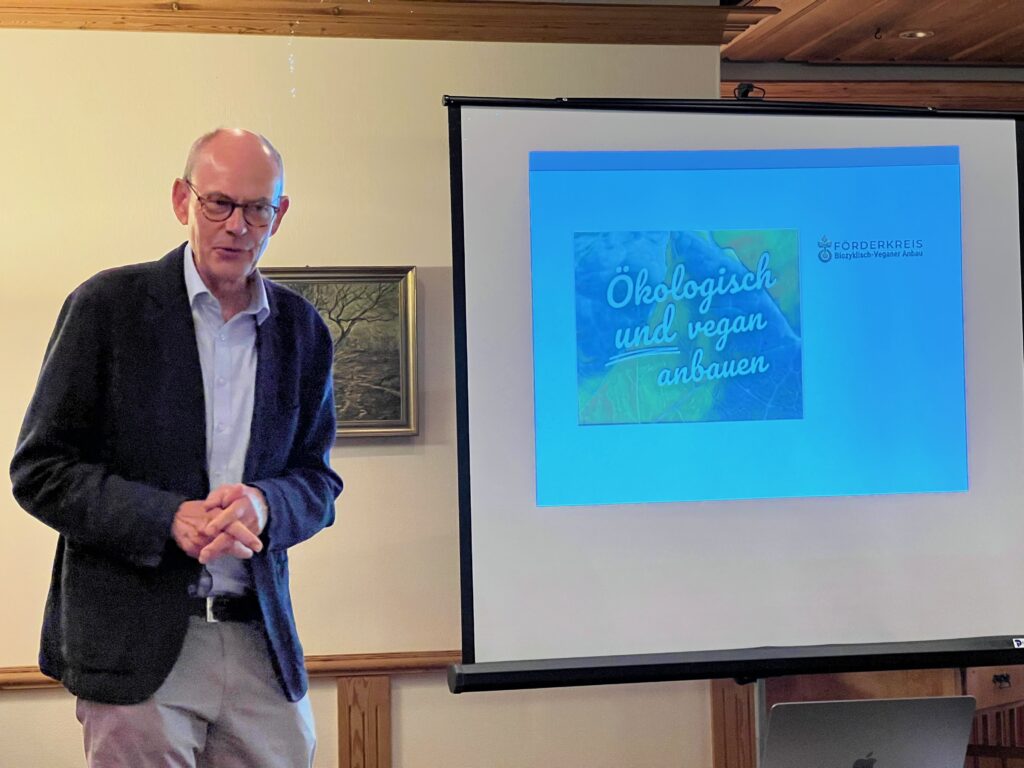
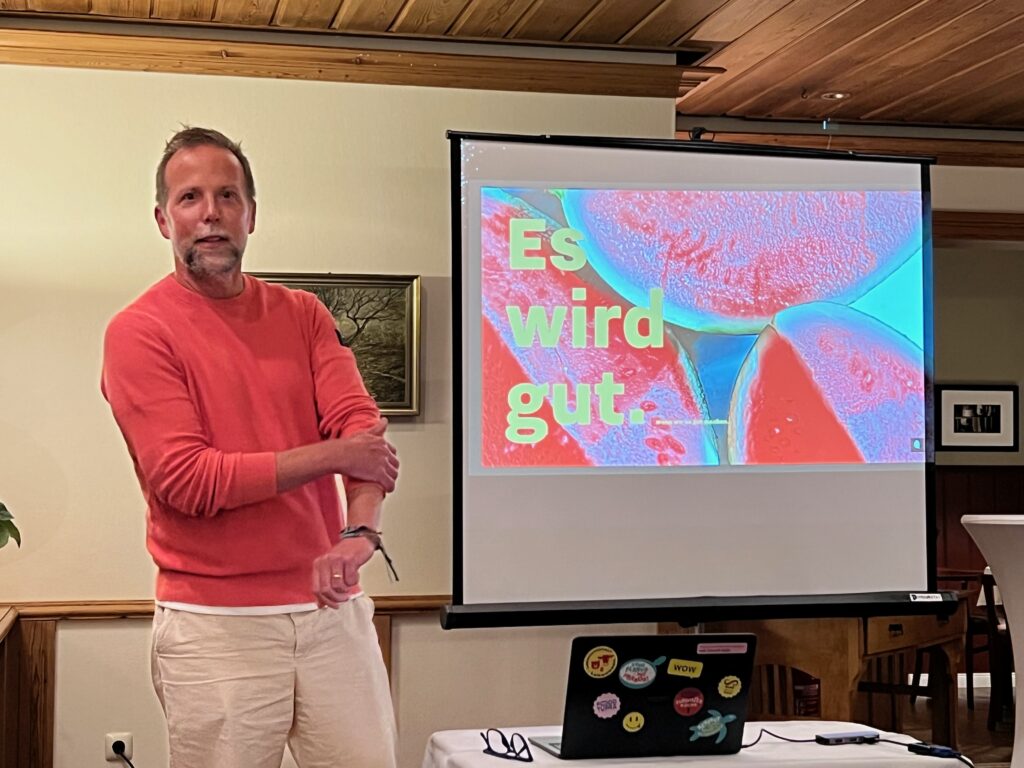
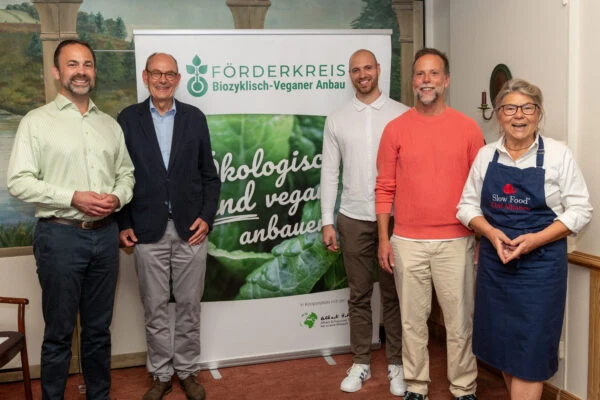
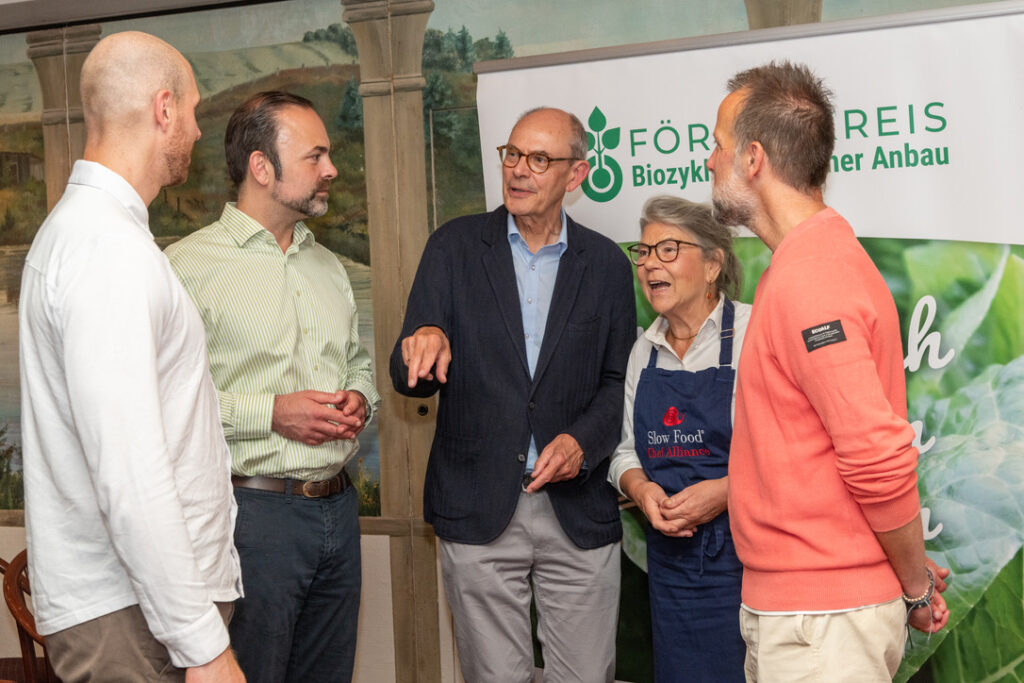
The expert presentations that followed shifted the focus from plate to field. Speaking on behalf of the German association Förderkreis Biozyklisch-Veganer Anbau, Axel Anders explained why a transition towards more plant-based food and farming can make an important contribution to climate protection, biodiversity, health and animal welfare. The One Health approach considers the health of people, animals and the environment together. Biocyclic vegan agriculture extends this thinking to food production itself: organic farming without the commercial use of animals or inputs of animal origin.
Marco Möller from Möllers Morgen showed what this transformation can look like in farming practice. Under the previous generation, the farm was already an organic dairy farm with a strong pioneering spirit. The new generation has continued along this path, transforming it into an entirely plant-based, biocyclic vegan community-supported agriculture scheme. Marco Möller described how organic farming can succeed without livestock or animal-derived fertilisers. His presentation also brought the discussion back to the buffet: many of its ingredients had come directly from the fields of Möllers Morgen.
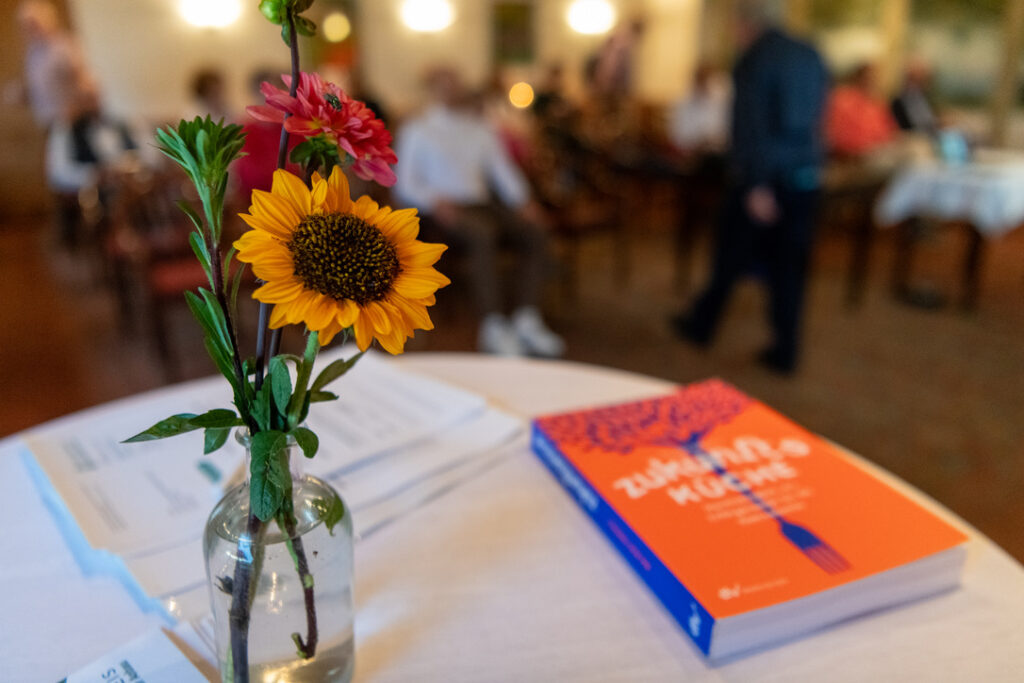
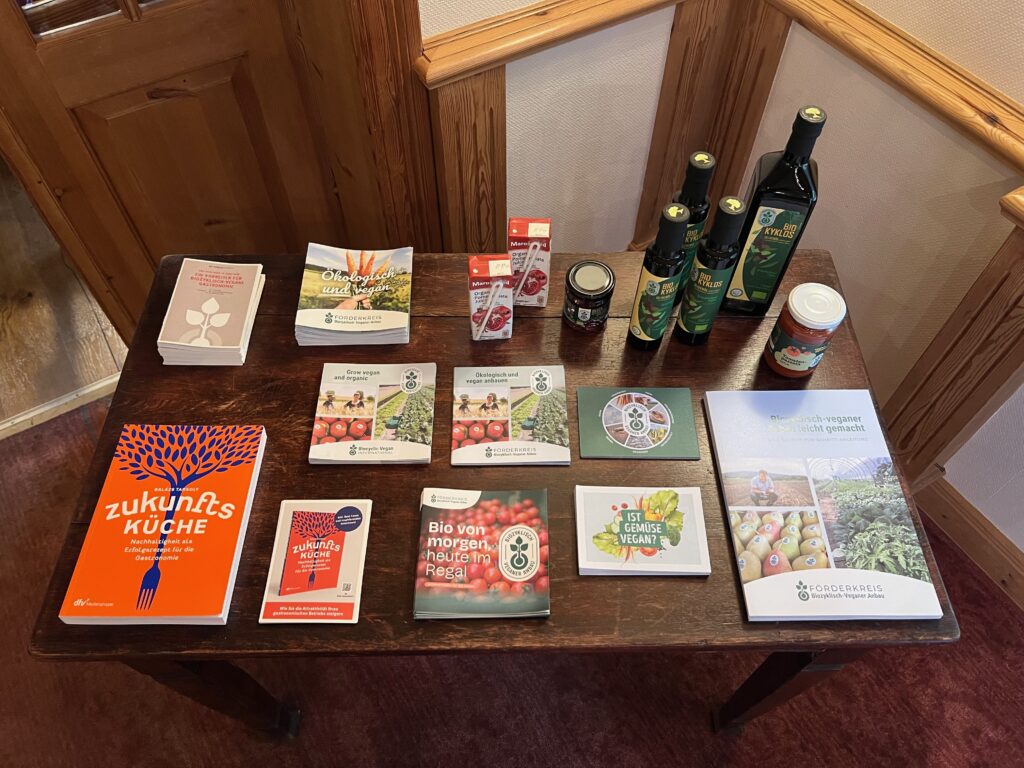
Balázs Tarsoly, managing director of the agency Branding Cuisine and author of Zukunftsküche – Nachhaltigkeit als Erfolgsrezept für die Gastronomie (“The Kitchen of the Future – Sustainability as a Recipe for Success in Hospitality”), addressed another central challenge in transforming our food system: the gap between knowledge and action. Although awareness of the environmental, health and ethical benefits of a more plant-based diet is growing, people often fall back into familiar consumption patterns in everyday life. Restaurants and catering services can play an important role in bridging this gap. Through appealing menus and communication that encourages people to try something new, they allow guests to experience plant-based food first-hand, demonstrating its variety, flavour and potential to delight. The evening itself was an excellent example.
The evening’s perspectives complemented one another: Why do we need to change our food system? How can this change succeed on farms? And how can knowledge translate into real changes in everyday life?